Why solar in Oman needs independent engineering
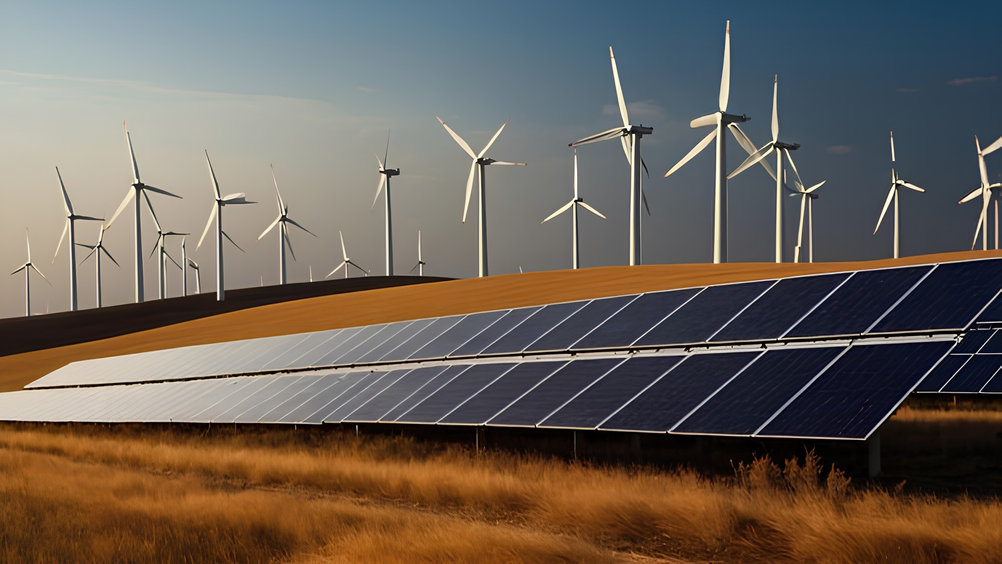
Oman has some of the strongest solar irradiation in the region, and utility-scale PV has become a core part of the country's plan to diversify power generation under Oman Vision 2040. High irradiation, however, does not automatically translate into a bankable project. Dust and soiling, high ambient temperatures, humidity near the coast, sand movement and grid-connection constraints all affect how much energy a plant actually delivers.
An independent solar consultant sits between developers, EPC contractors, lenders and the offtaker. The role is to make sure design decisions, energy yield estimates and contracts are technically sound — and that every assumption can be defended in front of a financing committee.
Solar resource assessment
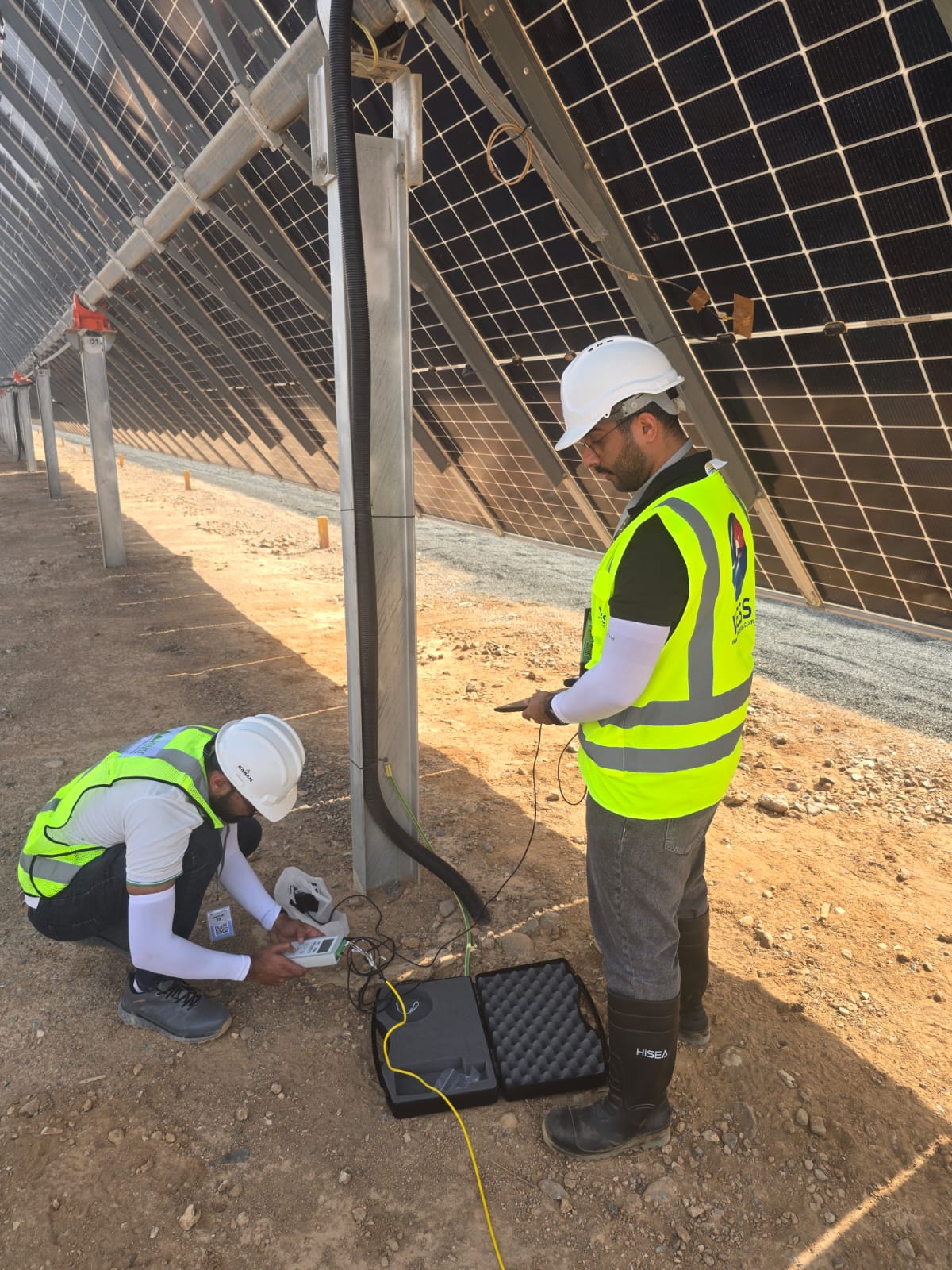
Every PV business case starts with the resource. Satellite-derived irradiance datasets are a useful starting point, but for utility-scale projects they should be validated against on-site measurements wherever possible.
- Ground measurement campaigns: GHI, DNI, DHI, temperature and wind
- Albedo measurement for bifacial module projects
- Data monitoring, quality control and gap filling
- Long-term correlation to build a P50 / P90 resource year
- Soiling-rate assessment to inform cleaning strategy and O&M cost
PV layout, feasibility and design optimisation
Once the resource is understood, the layout determines how efficiently land and capital are used. VESS develops conceptual PV layouts that consider inverter blocks, equipment selection, row spacing, access roads, obstructions and offsets, and then estimates achievable MW capacity for the site.
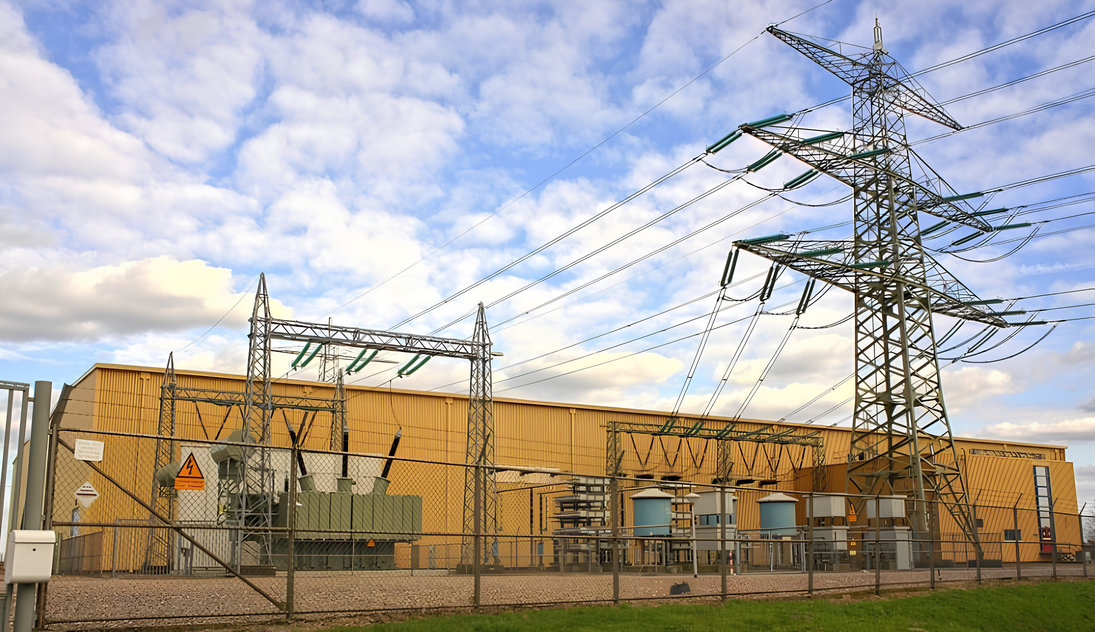
Batch simulations in PVsyst compare module technologies, tracker versus fixed-tilt structures, DC/AC ratio, tilt and pitch. Options are ranked on annual MWh, capacity factor, specific yield and levelised cost of electricity (LCOE) — while remaining compliant with the grid-connection requirements of the Oman Grid Code.
Energy yield and loss assumptions
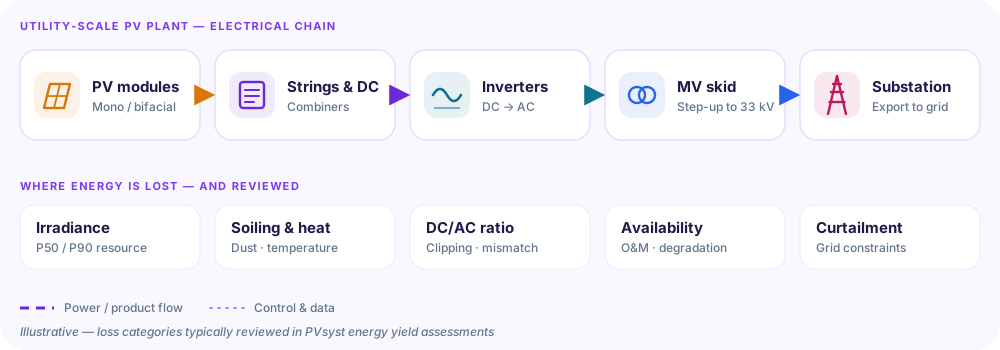
Lenders scrutinise the energy yield assessment more than any other document. Loss assumptions — soiling, mismatch, temperature, degradation, availability and curtailment — need to reflect Omani conditions rather than generic defaults. Independent review of these assumptions is one of the most effective ways to protect debt sizing and equity returns.
Bankability and due diligence
For financing, the independent engineer reviews the technology (modules, inverters, trackers), balance-of-system design, energy production report, permitting status, contracts, warranties and O&M strategy. During construction, monitoring verifies that the plant is being built to the reviewed design and that milestones support drawdowns.
Adding storage and hybrid options
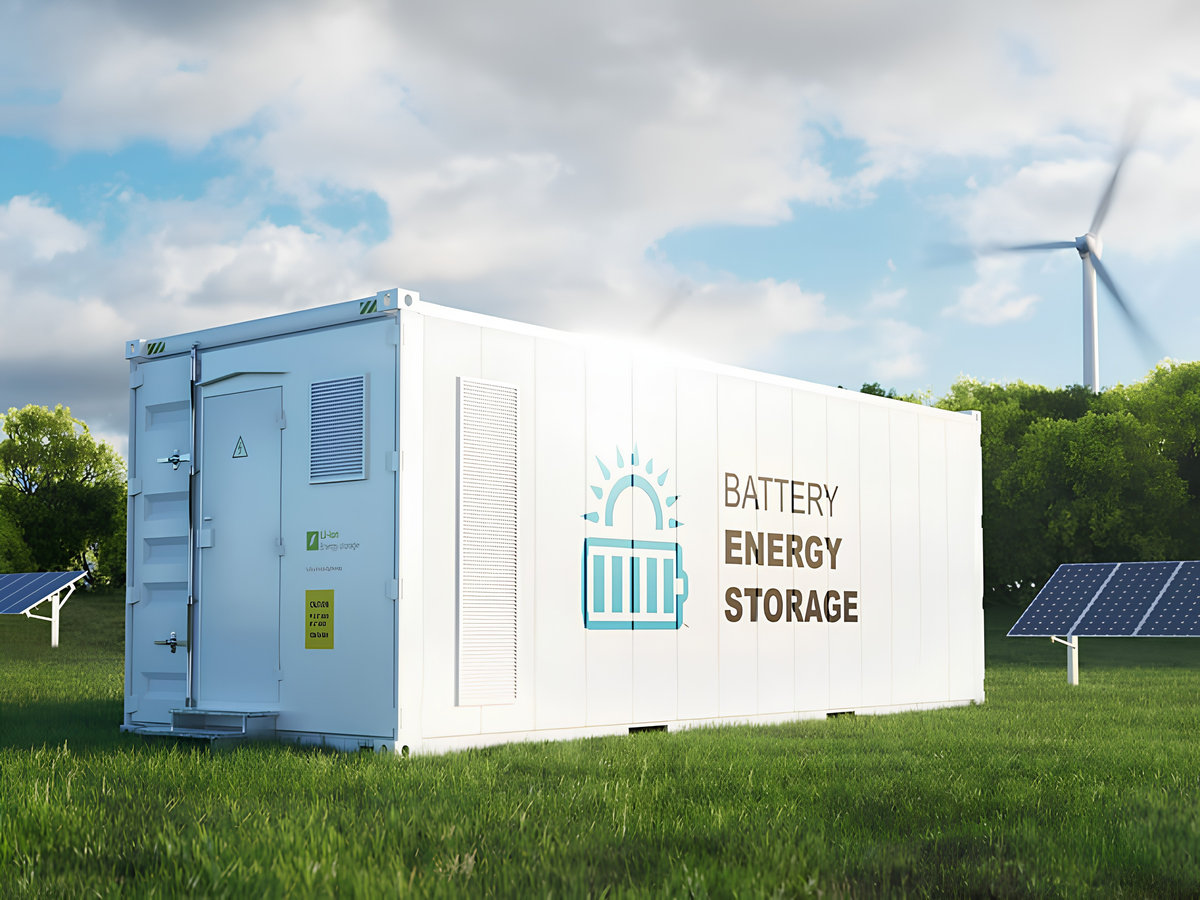
Increasingly, Omani PV projects are assessed alongside battery energy storage (BESS) to improve dispatchability, support grid stability and capture more value from midday generation. Integrating a BESS study early avoids re-work in layout, electrical design and grid studies later.
Frequently asked questions
What does a solar PV consultant do in Oman?
An independent solar consultant assesses the solar resource, develops and optimises PV layouts, reviews energy yield and design, and supports developers and lenders with technical due diligence and construction monitoring.
Why is on-site solar measurement important?
Satellite data carries uncertainty. On-site measurement of irradiance, temperature and albedo reduces the P90 uncertainty band, which directly improves debt sizing and investor confidence.
Can VESS review PVsyst energy yield reports?
Yes. VESS reviews and independently models energy yield, including loss assumptions such as soiling, temperature, degradation and curtailment, to confirm that the report is bankable.